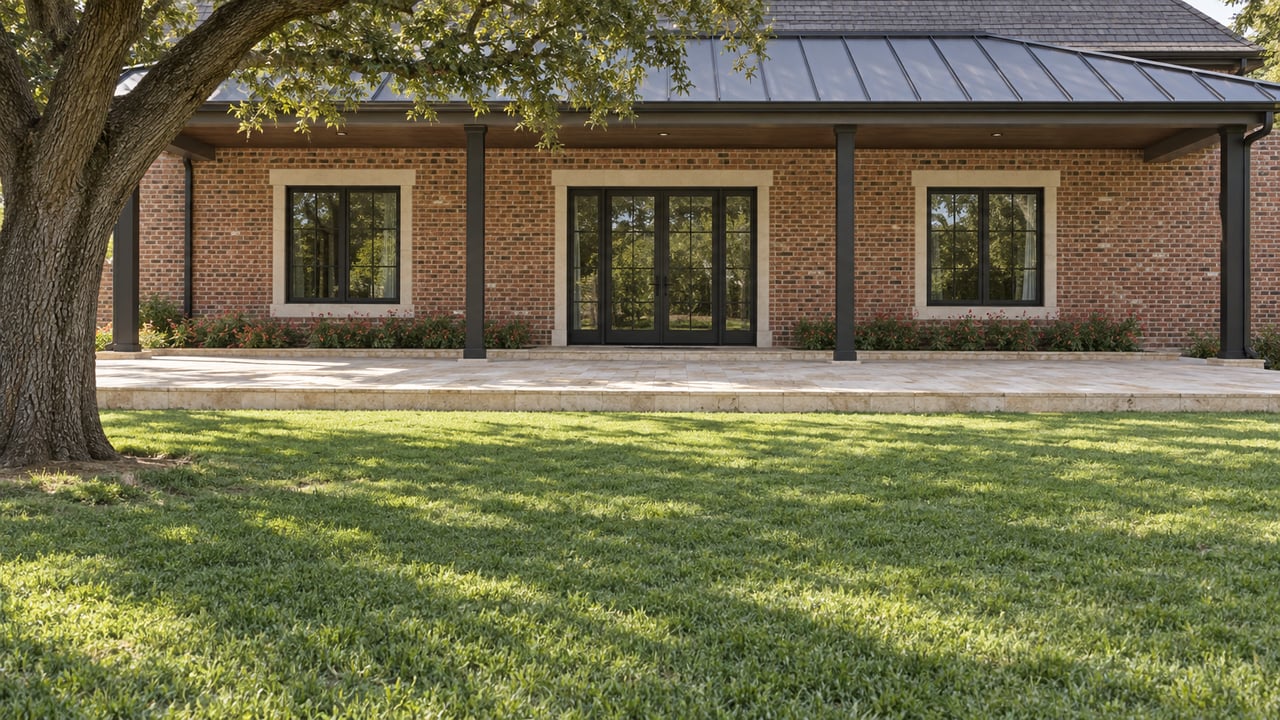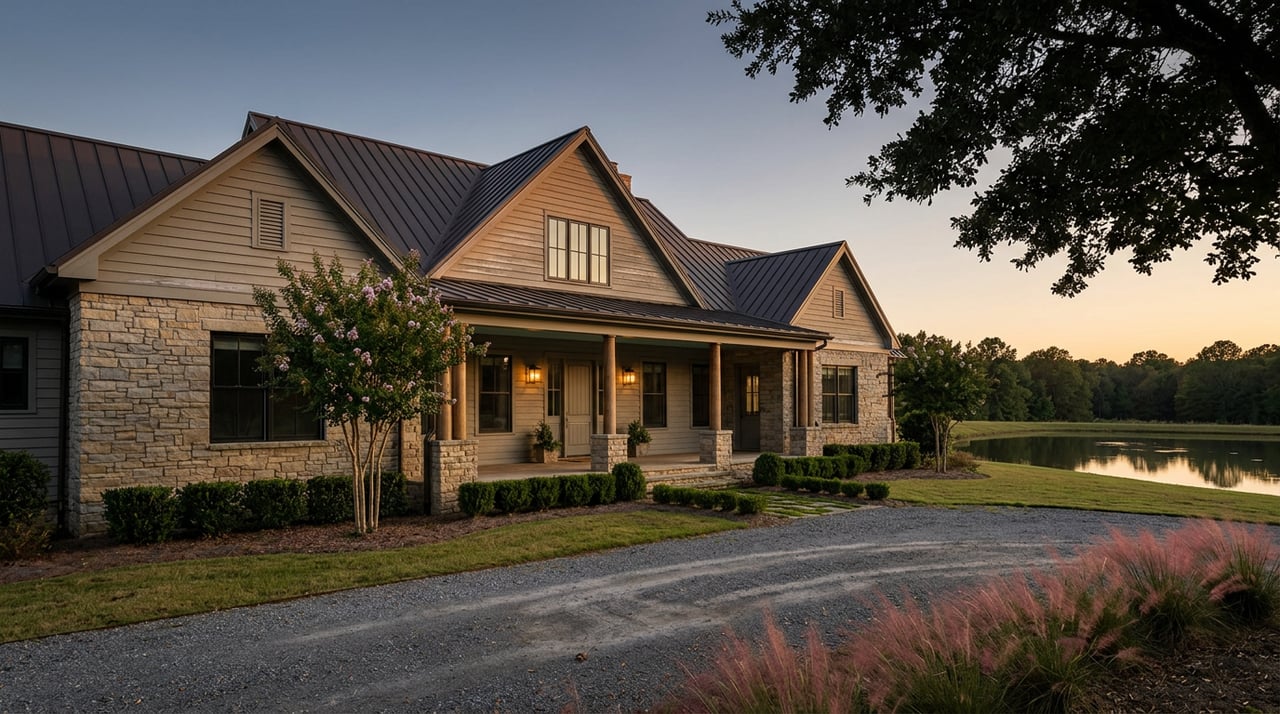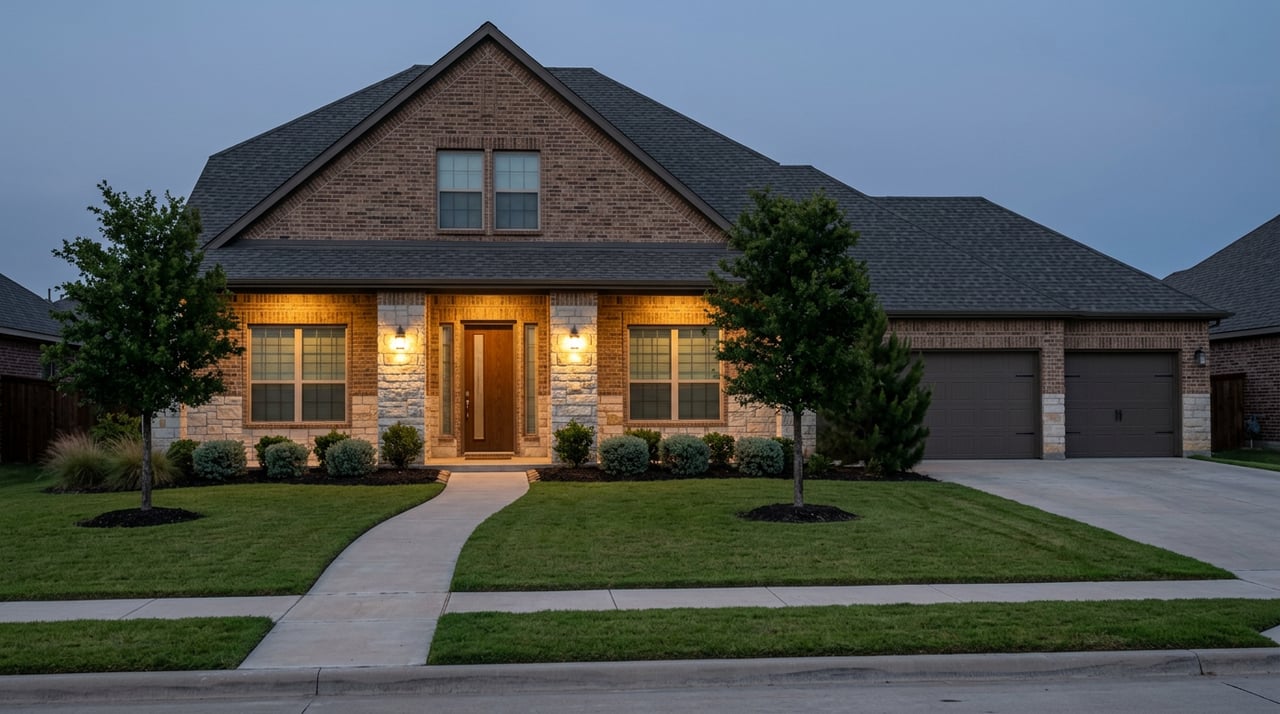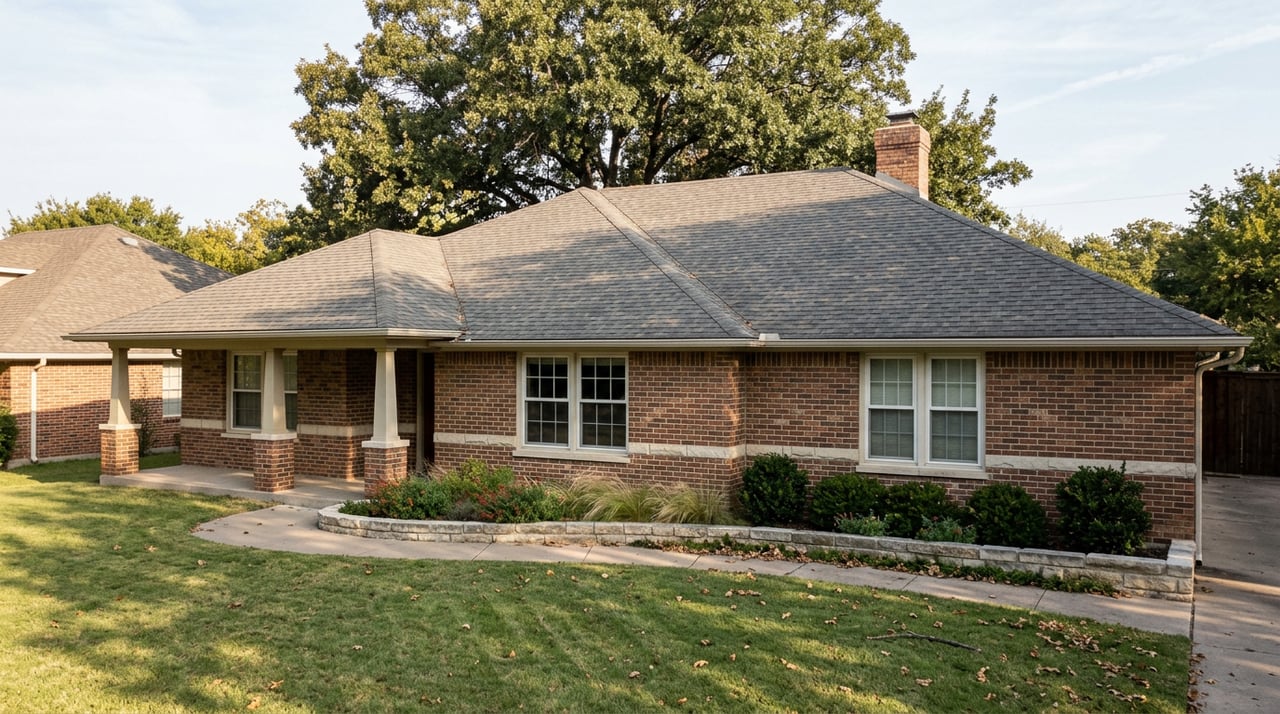
If you've ever laced up on a Saturday morning and circled the walking trail at Tech Terrace Park, you've used something the city of Lubbock didn't build. Neither did a parks bond or a grant. The trail, along with the playground equipment over at Wagner Park, the street markers that tell you you've entered the neighborhood, and the garden beds that get weeded every spring, came out of strangers touring each other's living rooms in December.
That's not a metaphor. It's how the Tech Terrace UNIT Neighborhood Association has funded neighborhood improvements since 1988, when it started what's become an annual holiday home tour. The association is older than the tour, dating back to 1974, but the tour is the engine. It's worth understanding how that engine works, because it explains a lot about why this particular square mile still feels the way it does.
What Actually Pays For The Trail You're Walking
The UNIT association didn't form to plan parties. In the early 1970s, developers were pushing to rezone parts of the neighborhood for apartments and multi-family construction, the same pressure that reshaped the area east of campus. Neighbors organized, fought the rezoning, and won. Lubbock's first voluntary neighborhood association came out of that fight.
The holiday home tour came later, in 1988, as a way to show off the neighborhood and bring in new homeowners. It's since become the association's primary fundraiser, and the list of what it's paid for is longer than most people realize: the Tech Terrace Park walking trail, playground equipment at Wagner Park, the street markers you see at intersections, ongoing garden maintenance in both parks, and support for the marching groups that represent the neighborhood in the Fourth on Broadway parade downtown.
Denise Pope, a longtime resident who's chaired the tour three times, has watched it outgrow its original purpose. One year drew 600 people through the neighborhood's front doors.
"The homes are so diverse, a little tiny cottage, a big mansion and everything in between, and they are always surprisingly amazing inside," Pope has said. "Each and every one is completely different."
The practical upshot is that the amenities you treat as background noise, the bench you sit on, the trail surface under your feet, exist because your neighbors bought tickets to look at each other's kitchens one weekend in December.
The Businesses Standing In For A Rec Center
Tech Terrace doesn't have a big civic building or a dedicated community center. What it has instead is a small commercial corner at 26th Street and Canton Avenue, plus one brewery two blocks over, functioning as the de facto gathering spots.
J&B Coffee has held down that corner since 1979. Capital Pizza moved in next door in 2013. Both are the kind of places where the same regulars show up enough that "the usual" doesn't need explaining.
The newer anchor is Good Line Beer Co., which opened its taproom on Boston Avenue in 2022 inside a converted former post office building. Co-founders Chris Troutman and Shawn Phillips built it deliberately as more than a place to drink. In 2025, Good Line was named one of the two best breweries in the state at the Texas Craft Brewers Cup, a competition that drew 162 breweries from across Texas with 55 taking home medals. But the recognition isn't really the point for residents. The recurring programming is:
- Monday nights: Run LBK meets at Good Line for a run club with 2-mile and 4-mile loop options
- Tuesday nights: trivia
- Monthly: a book club
Add in Holly Hop Ice Cream Shoppe at 34th and Indiana, a retro 1950s-style spot with close to a hundred flavors, and you've got a neighborhood where the social calendar runs through five or six specific storefronts instead of a rec center calendar. That's not a small distinction. It means the "third places" here are commercial businesses that residents have to keep choosing to support, not a taxpayer-funded facility that exists regardless.
Two Parks, Doing Different Jobs
The neighborhood's two parks split responsibilities instead of duplicating them. Tech Terrace Park, at roughly 18 acres, is the bigger of the two and the one that hosts the seasonal stuff: a summer concert series, a kite-flying festival, and the walking trail funded by the home tour. Wagner Park, over at 26th and Elgin, handles the more structured recreation with soccer fields and tennis courts.
Neither park is enormous on its own. Together they cover most of what a Lubbock neighborhood needs without requiring residents to drive across town for a soccer practice or a summer evening outside. That balance isn't accidental. It's the product of decades of the same association steering small amounts of home-tour money toward whichever park needed it that year, rather than one big infrastructure investment sitting untouched.
Why It Stayed This Way
None of this happens by default in a city that's added retail corridors and new subdivisions at the pace Lubbock has. Tech Terrace stayed a walkable square mile of small, independently owned businesses partly because the association that formed in 1974 spent its first fight keeping the zoning intact, and partly because it never stopped showing up afterward.
Lubbock City Council member David Glasheen grew up in the neighborhood, moved away, and came back for exactly this rhythm.
"In the morning on the weekend, we can walk over to the coffee shop and take the kids to go to the bakery," Glasheen has said. "And the brewery is a great place to get a pizza and hang out with people in the neighborhood."
He's also pointed out what makes the mix work: Tech students, professors who've been here fifty years, families, and people who work at the hospitals or downtown, all sharing the same six blocks of commercial space because there was never room for that space to sprawl into something bigger and less personal.
That's the throughline. The trail, the parks, the small corner of businesses that somehow covers coffee, pizza, beer, and ice cream without ever becoming a shopping center, all of it traces back to a neighborhood that decided in 1974 to stay small on purpose, then spent the following decades paying for its own upkeep one house tour at a time.
If you're new here and want the deeper dive into what living in Tech Terrace actually involves day to day, the neighborhood guide has more on schools, layout, and the surrounding blocks.
Tech Terrace runs on its own momentum, and that's worth appreciating even if you never sell your house here. If you're a neighbor who wants more of this kind of detail, or you know someone weighing a move into the area and could use a local's read on it, Loya Harrison Cobb would love to talk. Let's Connect.