Planning a move to Lubbock but not sure where to land? With short average commutes, a major university, and a mix of older and newer neighborhoods, your options can feel wide open. You want a place that fits your workday, budget, and daily routine without guesswork. In this guide, you’ll learn how to compare Lubbock’s central, south, and west areas, what to weigh before you choose, and how to shortlist neighborhoods with confidence. Let’s dive in.
How Lubbock’s layout shapes your choice
Lubbock is a mid-sized Texas city with a mean travel time to work of about 16 minutes. That gives you flexibility to look across several areas without taking on long drives. You can verify city commute norms on the U.S. Census QuickFacts page.
Two anchors shape neighborhood demand. First, Texas Tech University draws students, faculty, and staff year-round, which keeps nearby central neighborhoods active and convenient for campus life. You can see the university’s steady growth in Texas Tech’s recent enrollment news. Second, healthcare and regional employers add stability, and a regional grocery and distribution company headquartered here reflects that steady base. Learn more about that employer at The United Family.
Compare neighborhood clusters
Central near Texas Tech
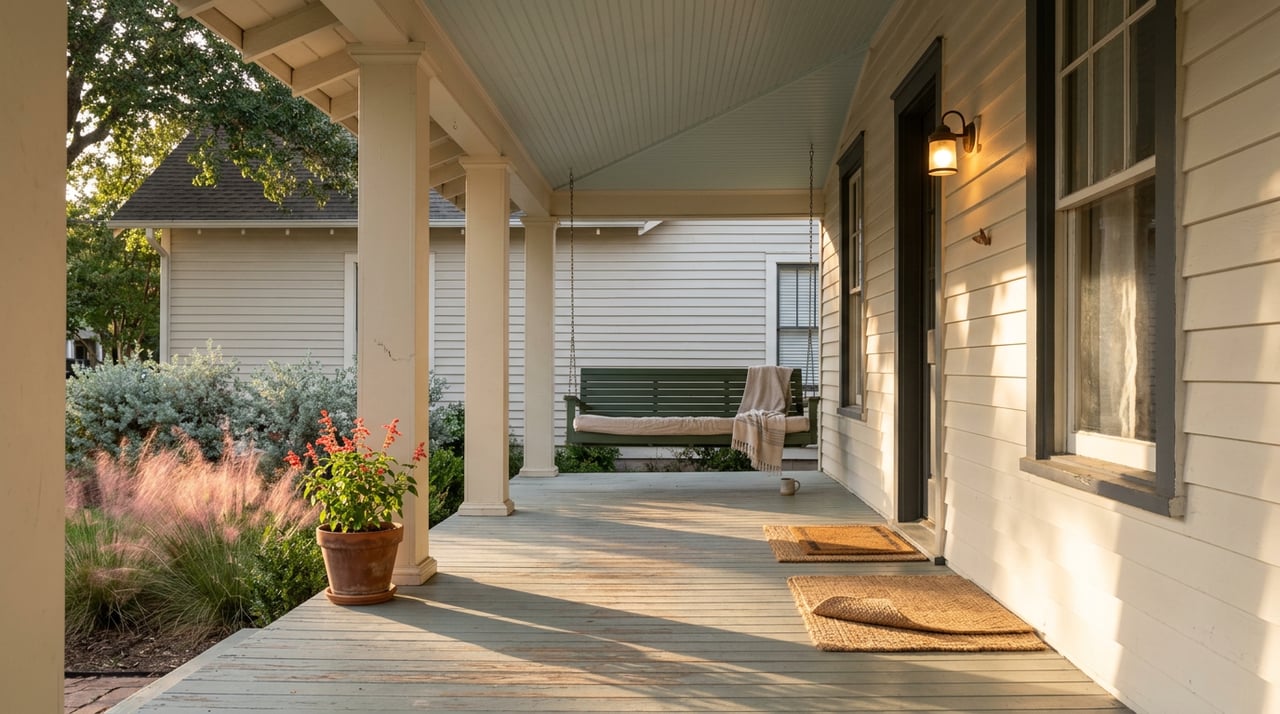
Areas like Tech Terrace, Heart of Lubbock, Overton, and the Maxey Park corridor offer older, tree-lined streets and a mix of 1940s-era homes and renovated properties. Many residents choose these blocks for short trips to campus and the medical district. Compared with outer neighborhoods, these central pockets often provide more walkable daily errands and closer access to transit.
South Lubbock
South Lubbock includes established mid-century neighborhoods and pockets of newer subdivisions such as Wheelock and Monterey, Raintree, and Remington Park. You will find parks, shopping corridors, and a wide range of price points that vary by block and school feeder pattern. Public data providers often show South Lubbock medians that compare favorably with some central pockets, though you should confirm the latest MLS data for your target streets. For trend context and structural data, review ATTOM’s Lubbock market snapshots.
West and northwest Lubbock
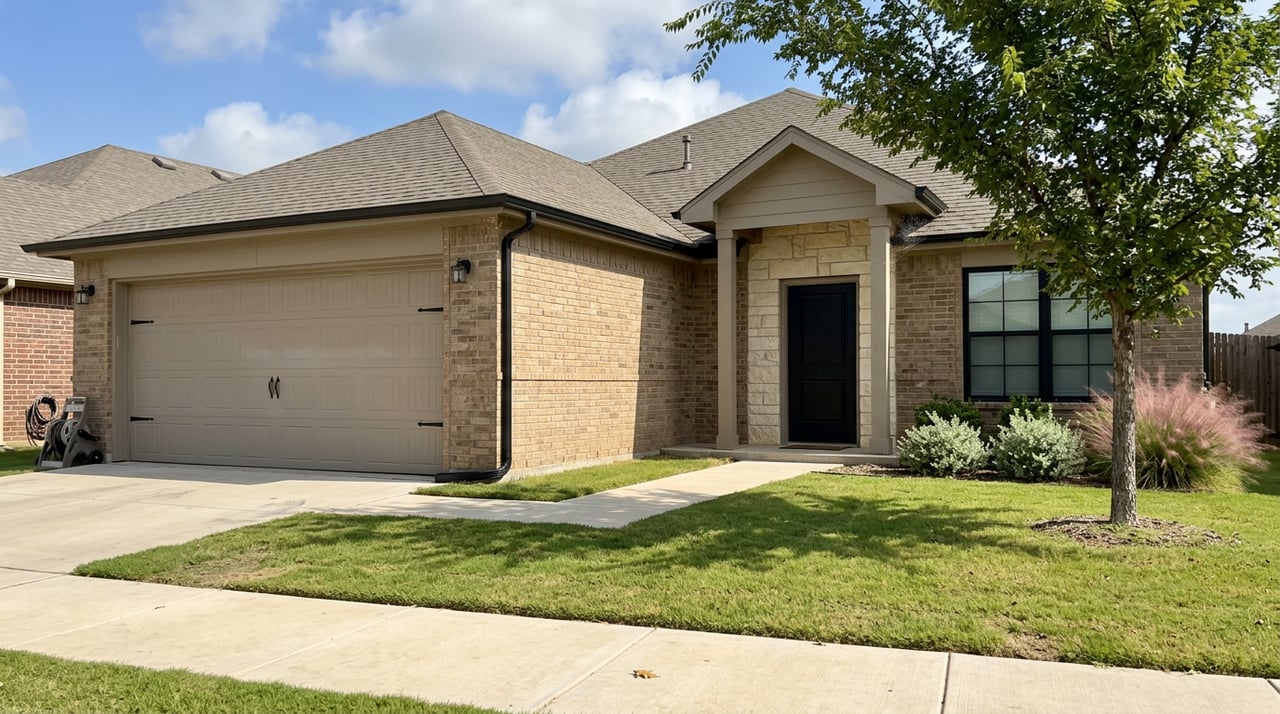
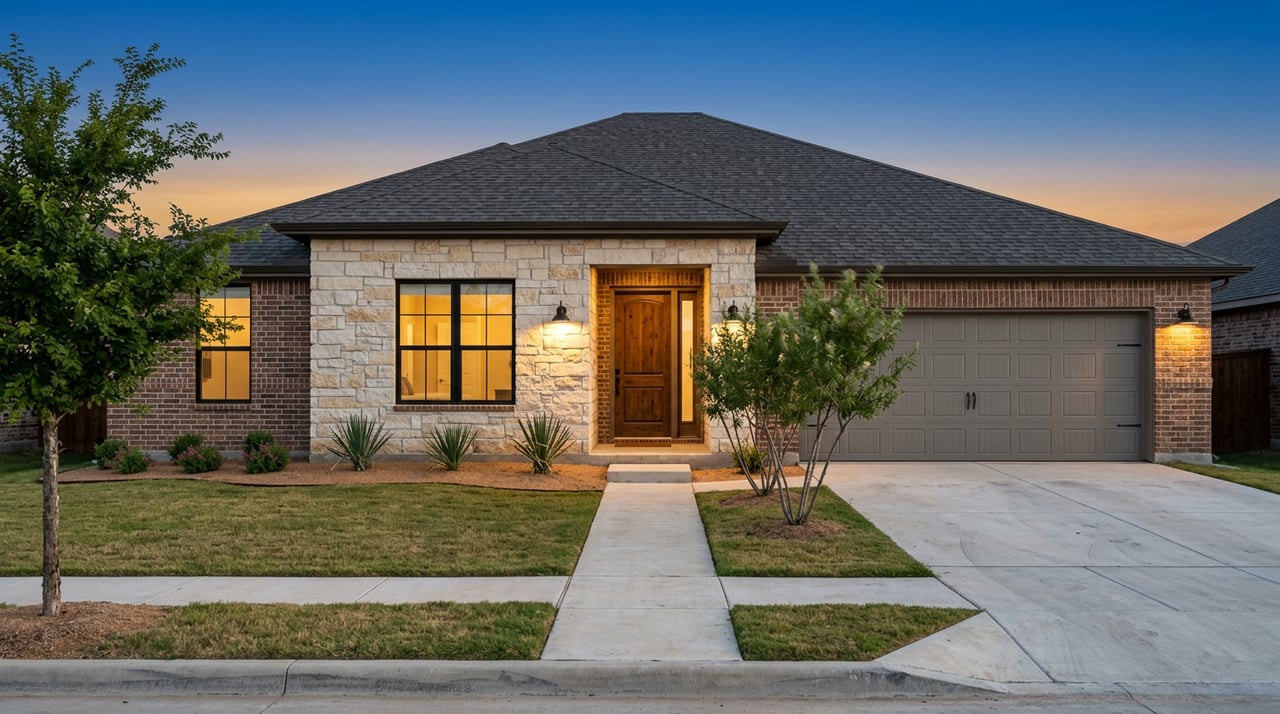
West and northwest growth areas feature newer construction, larger lots in many subdivisions, and modern floorplans. These neighborhoods suit buyers who want a suburban feel with newer retail and grocery nearby. Many residents commute by car, often with quick access to Loop 289 and key employment centers.
Downtown, medical district, and Maxey Park corridor
Closer to downtown and the hospitals, you’ll see apartments, condos, and some smaller-lot single-family options. If you value a very short trip to work, this corridor is worth a look. For bus routes and campus shuttles that support central living, check the Citibus maps and schedules.
Decision framework: what to weigh
- Define your commute targets
- List the exact addresses you will drive to, then test drive times from 2–4 candidate neighborhoods during typical rush periods. Lubbock’s mean commute is short, but specific routes can vary. The Census QuickFacts page is a useful baseline.
- If you prefer transit for part of your week, review Citibus routes for central options.
- Set budget and confirm availability
- Public data vendors report different medians at the city and neighborhood level. Use them to see trend direction, then verify your target streets and property type with current MLS comps. For a high-level look at price ranges and housing stock, start with ATTOM’s Lubbock overview.
- Match housing style and upkeep
- Central homes often have character details and walkable settings, which can come with maintenance needs typical of older properties. Newer subdivisions to the west and south tend to offer modern layouts and lower upkeep expectations in the early years. ATTOM’s structural metrics can help you compare average home age and size by area in the Lubbock market snapshots.
- Verify schools and childcare
- School attendance boundaries can shift. Always confirm the assigned schools for any specific address using district resources. As one example, Roscoe Wilson Elementary serves parts of the Tech Terrace area and offers an International Baccalaureate program. Check the district site for current details and any transfer options.
- Look at transit, walkability, and daily life
- Central neighborhoods typically offer higher walkability and better access to campus shuttles and city buses, while outer neighborhoods rely more on private vehicles. Explore route options on Citibus and sample Walk Score snapshots for specific areas, such as Wheelock and Monterey, to see how errands score near your shortlist.
- Review safety and trend data
- Safety varies by block. Look at multiple months of reports and compare patterns across your final candidates. Tools like SpotCrime’s Lubbock analytics can help you review recent activity. Use this as one input alongside your in-person visits.
- Factor in taxes, HOA rules, and future development
- Property taxes, HOA covenants, and nearby new construction can affect your monthly costs and lifestyle. You can scan tax and development signals for Lubbock at ATTOM’s data portal, then confirm details for each property during your contract period.
A step-by-step shortlist plan
Use this process to narrow options fast and feel confident when you visit.
Phase A: Online prep
- Build a longlist of 8–12 neighborhoods based on commute radius, price band, housing style, and school needs. Use vendor data for rough ranges, then mark them as estimates until MLS verification. Start with ATTOM’s Lubbock overview.
- Map real commute times from each candidate to your exact office or hospital at peak hours. Note best routes and any choke points. If transit matters, add the closest Citibus routes.
- Pull a Walk Score snapshot and a crime-pattern view for each candidate. Use Walk Score for example areas and review SpotCrime analytics.
- Bookmark district pages for your likely school feeders and verify attendance boundaries on the Lubbock ISD site for each campus.
Phase B: Remote and virtual screening
- Request video walkthroughs of top homes and narrated drives that show commute times at your target hours. Ask for quick clips of neighborhood streets, parking patterns, and nearby parks or grocery options.
- Split your list into “must-see in person” and “likely pass” to focus your preview trip.
Phase C: One to three day preview trip
- Day 0: Meet your agent, review a neighborhood packet, and drive a loop through your short list during a commute window so you see real traffic flow.
- Day 1: Visit your top three neighborhoods in the morning and early evening. Walk a block for 20 minutes in each. Stop by a park, grocery, and a local coffee shop to feel the rhythm of daily life.
- Day 2: Revisit favorites and schedule showings. If needed, hold a slot for inspection so you can move quickly once you choose a home.
Phase D: Decision and move coordination
- Confirm inspection windows, HOA documents, title, and closing logistics. If you are out of state, discuss remote signing options and short-term housing. Ask your agent for trusted vendors for movers, cleaners, and utility setup so your move-in day is smooth.
Quick comparisons by lifestyle
- Shortest campus or hospital drives: Central neighborhoods like Tech Terrace, Maxey Park, and nearby pockets often provide the most convenient access for Texas Tech and the medical district.
- Newer builds and modern layouts: West and northwest subdivisions tend to offer newer construction and larger lots in many communities.
- Broad price ranges and parks: South Lubbock offers established neighborhoods plus newer pockets, with a range of options that vary by block.
How I help you choose with confidence
You deserve a clear plan, not scattered search tabs. I pair local knowledge with a structured process so you can compare commute, budget, schools, and daily-life fit side by side. I will prepare custom neighborhood cards, run real-world commute tests, line up virtual tours, and build an efficient preview itinerary around your schedule. When you are ready to take the next step, I am here to guide you from search to closing.
If you are relocating to Lubbock and want a calm, well-supported process, reach out to Loya Harrison Cobb to get started.
FAQs
What should I know about Lubbock commute times before choosing a neighborhood?
- Lubbock’s mean commute is about 16 minutes, which lets you consider several areas without long drives. Test your exact routes at rush hour and use the Census QuickFacts baseline as a starting point.
Which Lubbock neighborhoods are closest to Texas Tech and the hospitals?
- Central neighborhoods near campus and the Maxey Park corridor often provide the shortest drives and strong access to campus shuttles and Citibus routes. West and northwest areas can work if you prefer newer builds and a 10 to 20 minute drive.
How are home prices trending across Lubbock neighborhoods?
- Public vendors often show different medians, so look at trend direction and verify your specific streets with current MLS comps. For high-level ranges and structural data, check ATTOM’s Lubbock overview.
Is public transit practical for daily life in Lubbock?
- Central neighborhoods see the best mix of walkability and bus access. Most residents still use cars for flexibility, but campus shuttles and city buses cover many central routes. Review options on Citibus.
How do I confirm school boundaries for a Lubbock address?
- Use the district and campus pages to verify assignments and any program details. Start with the Lubbock ISD page for Roscoe Wilson Elementary as a model, then check the correct campus for your address.
Where can I review safety patterns for a specific neighborhood?
- Look at several months of reports and compare patterns for your finalists. A helpful tool is SpotCrime’s Lubbock analytics, which summarizes recent activity. Pair this with on-the-ground visits at different times of day.